
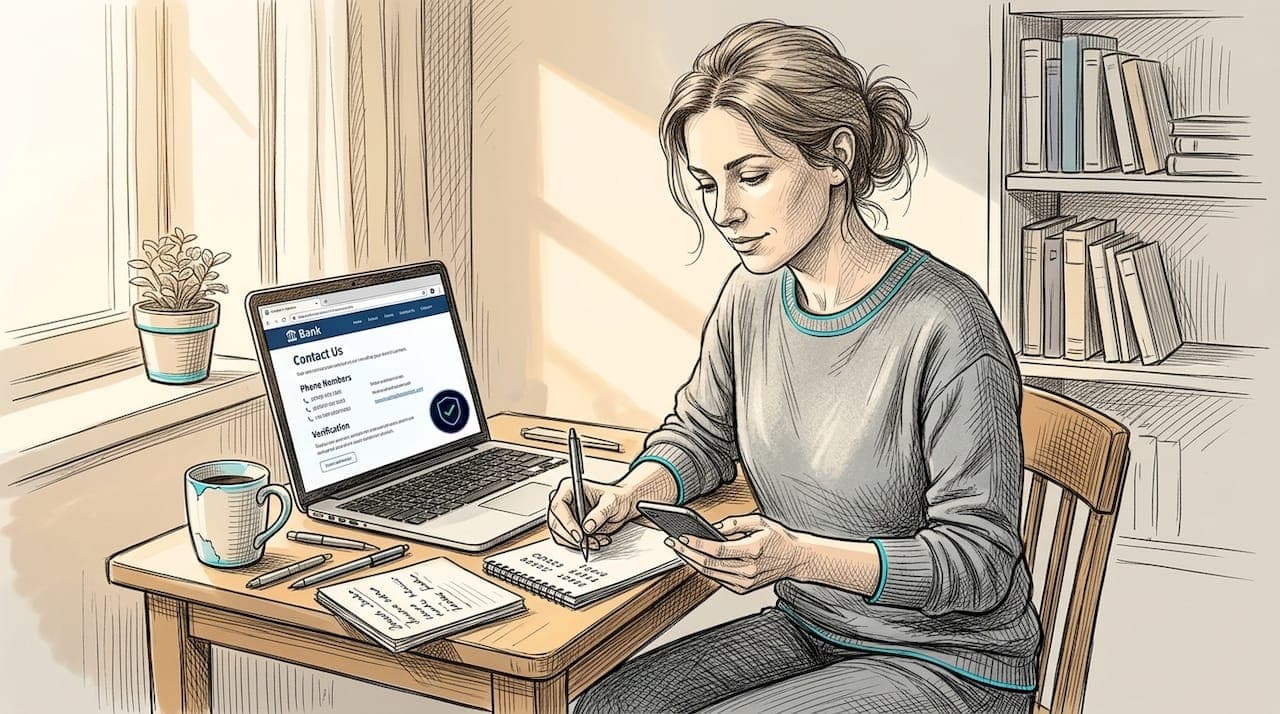
Last year, my neighbor got a call from someone claiming to be her bank. The voice sounded professional. The caller ID showed the bank's name. She almost handed over her account details before something felt off. She hung up, called the bank directly, and confirmed it was a scam. That quick decision saved her from real financial harm. Over $3 billion in losses have been reported from impostor scams alone, and the tactics keep getting more convincing. This guide gives you practical, step-by-step tips to verify suspicious calls and protect your family before it's too late.
Table of Contents
- How to spot the key signs of a phone scam
- Verification basics: Hang up and check independently
- Do not share personal information on suspicious calls
- AI voice scam and deepfake detection
- Preventing phone scams: Practical tools and reporting
- Boost your phone scam defenses with ScamKit tools
- Frequently asked questions
Key Takeaways
| Point | Details |
|---|---|
| Independent verification | Hang up and use official contact information to confirm suspicious calls are genuine. |
| Recognize scam signals | Identify urgent requests, untraceable payments, and threats as clear red flags for phone scams. |
| Protect your data | Never share personal information or verification codes on unsolicited calls. |
| Beware of AI scams | Detect deepfake voice scams by probing with personal questions and noting unnatural speech. |
| Use prevention tools | Register for Do Not Call and use call-blocking apps to reduce your exposure to scam calls. |
How to spot the key signs of a phone scam
The first line of defense is knowing what a scam call looks and feels like. Scammers are skilled at creating panic and urgency. They want you to react fast, before you have time to think.
Here are the most common red flags to watch for:
- Unexpected contact: You get a call or message you weren't expecting, often from a government agency, bank, or tech company.
- Pressure to act immediately: They say you must pay or respond right now or face serious consequences.
- Threats of legal trouble: Warnings about arrest, lawsuits, or account suspension are classic scare tactics.
- Requests for untraceable payment: Gift cards, wire transfers, and cryptocurrency are scam payment red flags that no legitimate company will ask for.
- No verifiable contact info: The caller refuses to give you a name, employee ID, or official callback number you can confirm independently.
If you get a call claiming your Social Security number has been suspended, that's a well-known scam. Our SSN scams guide breaks down exactly what to do. Scammers also use text messages to reach victims, so check out these text message scam tips to stay covered on all fronts.
"If something feels off about a call, trust that instinct. Scammers count on you ignoring it."
Recognizing these patterns early gives you the power to pause and verify instead of react.
Verification basics: Hang up and check independently
Once you suspect a call is suspicious, the single most important thing you can do is hang up. Not after asking more questions. Not after giving partial information. Just hang up.
Here's a simple verification routine you can follow every time:
- End the call immediately. Don't engage further or try to outsmart the caller.
- Find the official contact number yourself. Check the company's website, your billing statement, or the back of your credit card.
- Call back using that number only. Never redial the number that called you or use a number the caller gave you.
- Ask the company directly. Confirm whether they actually tried to reach you and why.
- Report the suspicious call to the FTC or your carrier if it turns out to be a scam.
Scammers rely on you using their contact information. The moment you call them back on their number, you're playing by their rules. Hang up and verify independently using official channels every single time.
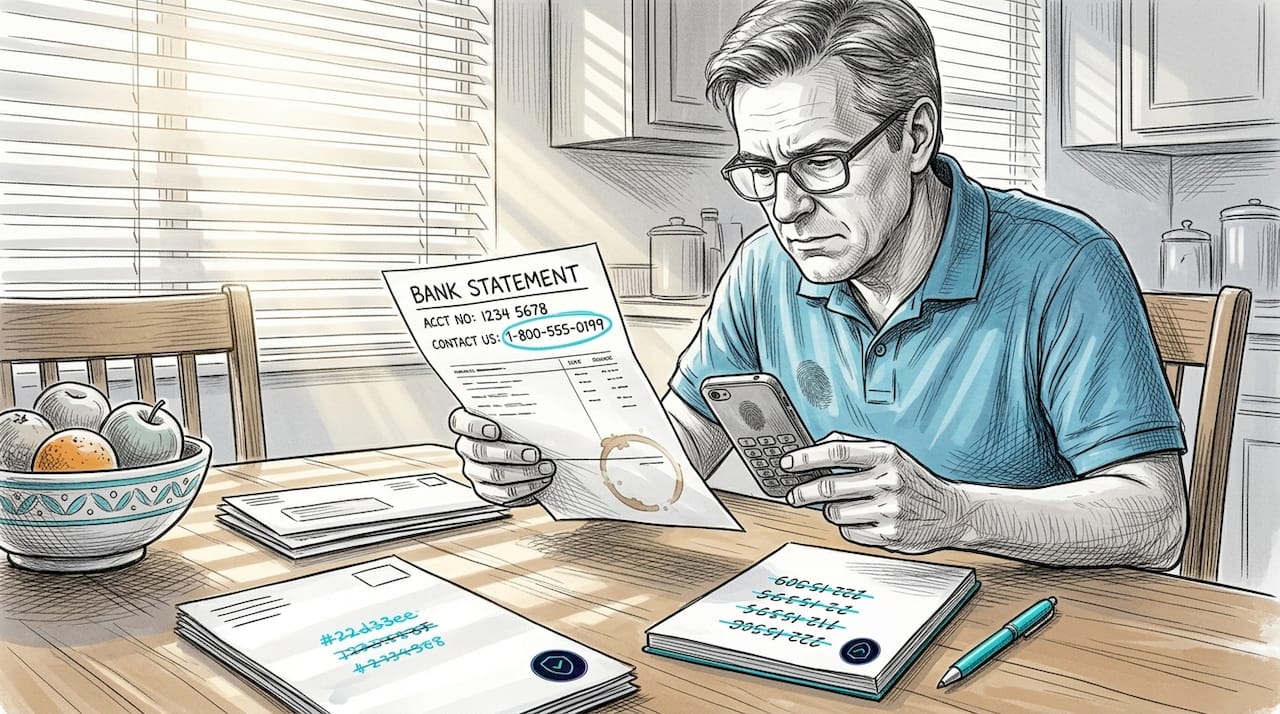
Pro Tip: Save the official numbers for your bank, insurance provider, and utility companies in your phone right now. That way, you're never scrambling to find them when a suspicious call comes in.
For more guidance on finding legitimate contact details, visit our contact verification strategies page.
Do not share personal information on suspicious calls
Even if you're not sure whether a call is a scam, treat every unsolicited call as a potential threat until you've verified it. That means keeping your personal information locked down.
Here's what you should never share on a suspicious call:
- Full name and date of birth: These are building blocks for identity theft.
- Social Security number: No legitimate agency will ask for this over an unexpected call.
- Bank account or credit card numbers: Real banks already have your account info.
- Verification codes sent to your phone: Scammers use these to take over your accounts in real time.
- Remote access to your device: Never let anyone you don't know install software or control your computer remotely.
Scammers often ask for personal and financial details in ways that sound routine or urgent. They might say they need to "verify your identity" or "protect your account." These are manipulation tactics.
If you have elderly parents or family members who may be more vulnerable, setting up scam awareness conversations at home is essential. Our guide on how to protect family members from phone scams walks you through that process step by step.
AI voice scam and deepfake detection
Phone scams have gotten a serious upgrade. Scammers now use AI voice cloning to impersonate people you actually know, including family members, coworkers, or even your doctor. The voice can sound almost identical to the real person.
AI voice cloning in scam calls is a growing threat, and it's catching people off guard. Here's how to protect yourself:
- Ask a personal question only they would know. Something like a shared memory or an inside detail. A cloned voice can't answer that.
- Listen for glitches. Unnatural pauses, robotic tone shifts, or slight audio distortions are signs of AI-generated speech.
- Hang up and call back on a known number. Even if the voice sounds real, verify through a number you already have saved.
Here's a quick comparison of traditional scam calls versus AI-driven ones:
| Feature | Traditional scam call | AI voice scam |
|---|---|---|
| Voice quality | Often scripted or accented | Sounds natural and familiar |
| Caller identity | Fake name or company | Cloned voice of real person |
| Emotional pressure | Generic urgency | Personalized distress |
| Detection method | Hang up, verify number | Ask personal questions, verify |
| Risk level | High | Very high |
Pro Tip: Set up a family code word. If someone calls claiming to be a family member in trouble, ask for the code word. Scammers won't know it.
Learn more about AI voice cloning scams and get practical deepfake spotting tips to stay ahead of these evolving threats.
Preventing phone scams: Practical tools and reporting
Knowing how to spot and verify scams is powerful. But prevention tools add another layer of protection that works even when you're not paying close attention.
Here are the key prevention steps every household should take:
- Register with the National Do Not Call Registry at donotcall.gov to reduce unwanted solicitation calls.
- Use call-blocking apps offered by your carrier or third-party providers like Nomorobo or Hiya.
- Forward spam texts to 7726 (SPAM). This helps carriers identify and block scam numbers.
- Set a strong voicemail password. Default voicemail PINs are easy to crack and can be exploited.
- Report scam calls to the FTC at reportfraud.ftc.gov, the FCC, or the BBB ScamTracker.
- Talk to your family about scam risks regularly, especially with kids and older adults.
The FCC recommends registering with the Do Not Call Registry and using call-blocking tools as baseline protections for every household.
Here's a snapshot of just how widespread the problem is:
| Metric | 2025 data |
|---|---|
| Do Not Call complaints filed | Over 2.6 million |
| Total fraud losses reported | $195 billion |
| Most common scam type | Impostor scams |
| Primary contact method | Phone calls |
Those numbers are staggering. But they also show that millions of people are actively reporting, which helps authorities track and shut down scam operations.
If you've encountered a tech support pop-up or suspicious call claiming your computer is infected, our tech support scam examples page covers exactly what to do. And for a full set of scam prevention tools, ScamKit has everything in one place.
Boost your phone scam defenses with ScamKit tools
You now have a solid foundation for identifying and verifying suspicious calls. But having the right tools at your fingertips makes the whole process faster and less stressful.
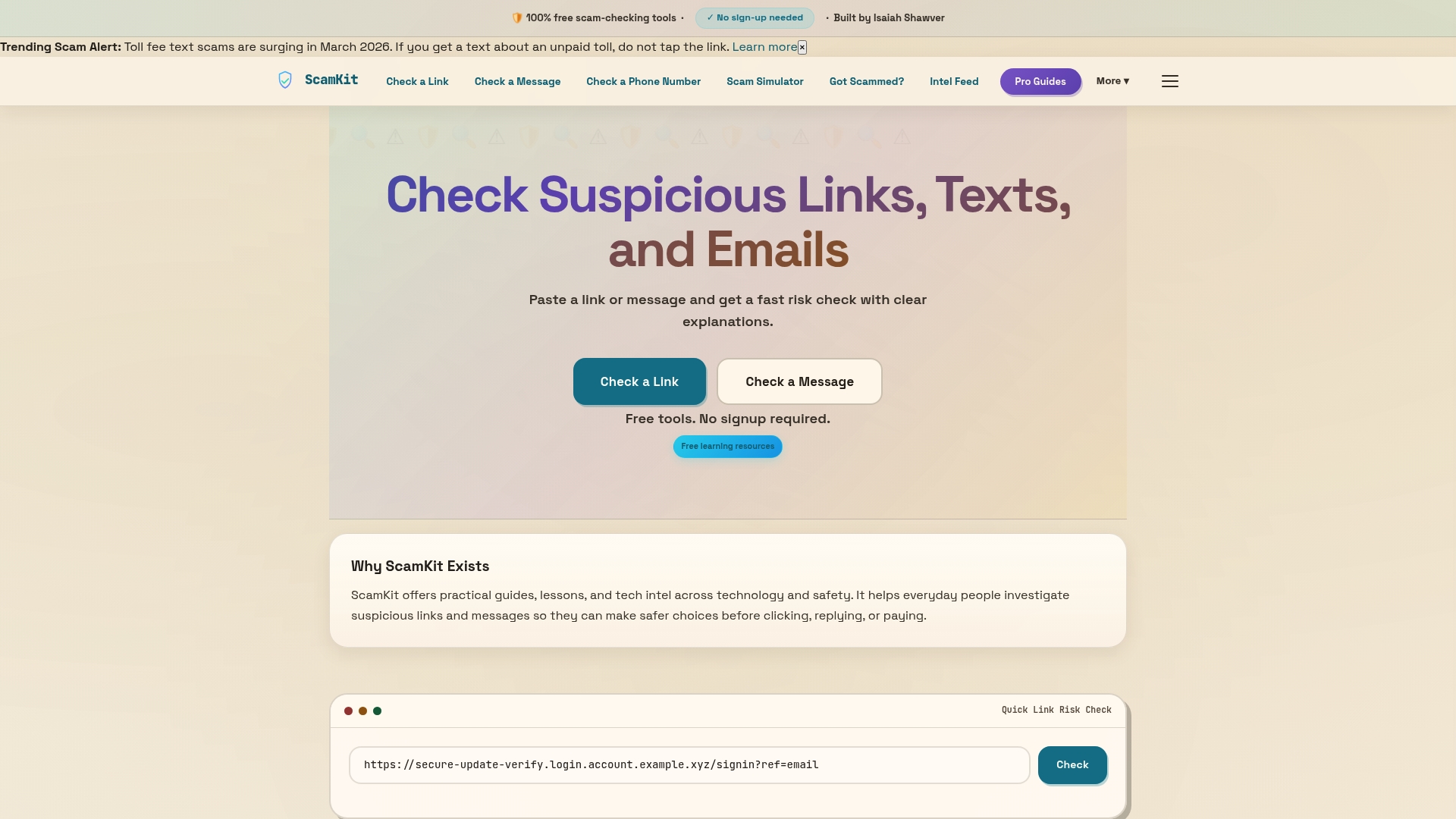
ScamKit is a free platform built specifically for people like you. No sign-up required, no data collected. You can use the phone scam checker to instantly assess a suspicious number, or run a message through the message checker tool to see if it matches known scam patterns. Want to test how well you'd spot a scam in real time? Try the scam simulator for a hands-on practice run. ScamKit also offers guides, templates, and reporting support so you're never left figuring it out alone. It's practical, accessible, and built for everyday people who just want to stay safe.
Frequently asked questions
What should I do if I suspect a phone call is a scam?
Hang up immediately and contact the company using an official number found on their website or billing statement. Never use a number the caller provided.
How can I protect my family from phone scam threats?
Talk openly about scam risks at home, use tools like ScamKit, and make sure everyone knows to never share sensitive information on unsolicited calls. Discussing scams with family is one of the most effective prevention steps.
What are signs of an AI voice scam?
Listen for unnatural pauses, robotic tone shifts, or answers that don't match personal questions. Always verify by calling back on a number you already have saved.
Can call-blocking apps and registries stop all scam calls?
No tool stops every scam call, but registering with the Do Not Call Registry and using call-blockers significantly reduces how many get through.
Is it safe to trust caller ID or numbers provided over the phone?
No. Scammers routinely spoof caller ID to look like legitimate organizations. Always verify using official contact info from a statement or official website, never from the call itself.